
Histamine Reaction After Waxing: Causes, Prevention, and Calm-Down Tips
What A Histamine Reaction Is
Small changes in a wax formula can change your whole waxing session. Three things matter most: what the wax is made of, whether it uses strips, and how warm it needs to be.
Typical Timeline and Duration
Most histamine reactions start within minutes to a few hours after a waxing session. You might notice pinpoint hives, scattered raised patches, or a flush that feels warm or itchy.
- Many reactions calm within a few hours as the body’s histamine response settles.
- Some can last 24–48 hours, especially in high-reactivity areas like the chest, back, or upper arms.
- If symptoms worsen after the first day, or you develop systemic symptoms such as wheezing, widespread swelling, or dizziness, this may point to allergic reactions and should be checked by a medical professional.
How It Looks vs. Normal Post-Wax Redness
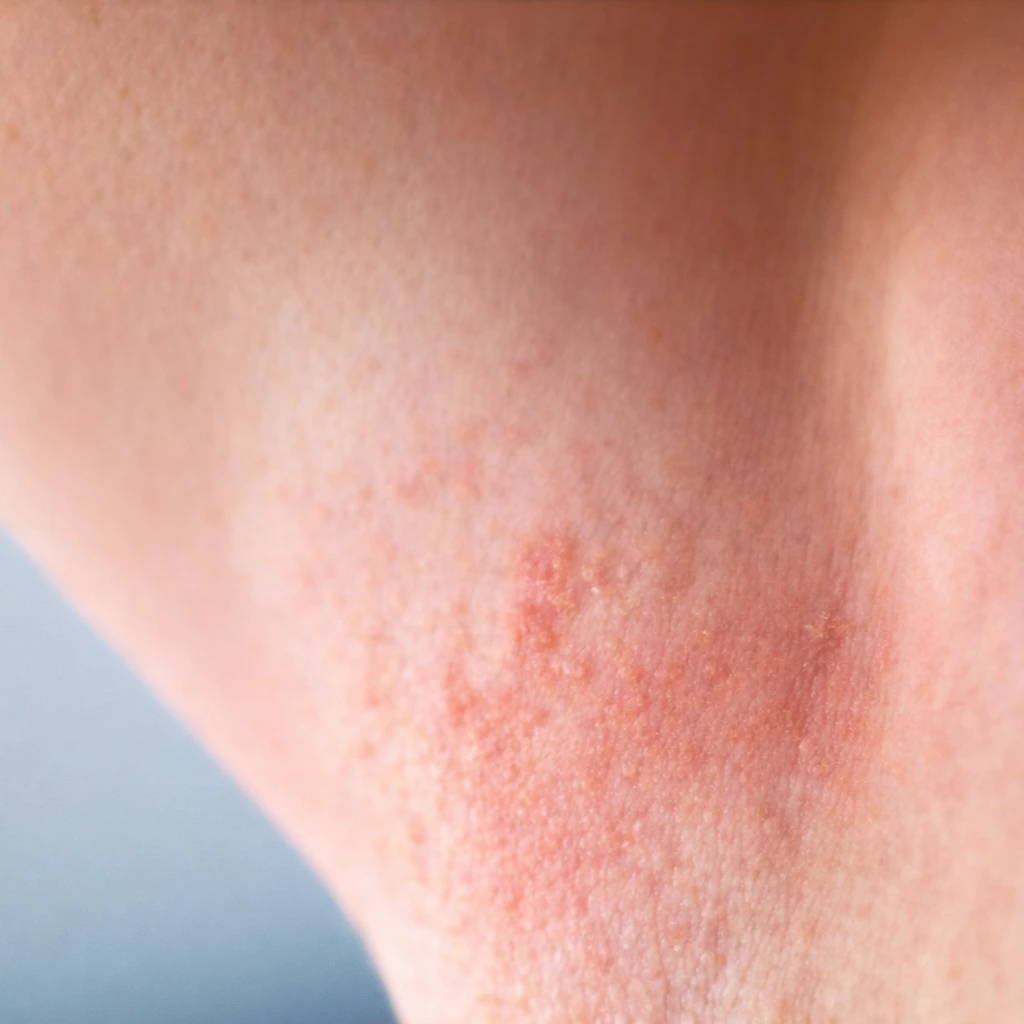
Normal post-wax redness appears as flat, even pinkness caused by increased blood flow. It often looks like a mild blush and fades as the skin cools and recovers.
A histamine response looks more uneven and raised. You may see small welt-like bumps or hives, itchiness, and swelling around hair follicles, which can appear patchy rather than evenly red.
Why Waxing Triggers Histamine in Some People
Heat, Pressure, and Hair Removal Mechanics
Skin Barrier, Nerves, and Immune Signals
When your skin barrier is dry or compromised, it tends to react more strongly. Signals from nerve endings can tell the body to send histamine to “defend,” even though the trauma is controlled and minimal. Friction after the service, especially from tight clothing, can lead to further irritation and keep the histamine response active longer than expected.
Individual Sensitivities (Allergies, Atopy)
Sensitive skin types, seasonal allergies, eczema, and asthma are often linked to stronger immune responses. You may notice more redness, swelling, or a reaction after waxing, and you may also be more prone to ingrown hairs. In some cases, ingredients in post wax products or artificial fragrances can trigger allergic reactions, which is different from a histamine response caused by physical trauma, even though the symptoms can overlap.
Who’s More Likely To React
- Sensitive Skin, Allergies and Asthma. If you have sensitive skin, atopic dermatitis, or seasonal allergies, your body may release histamine more easily. Facial waxing on reactive skin can cause small hives within a few minutes, and areas like the back and chest can react the same way.
- Medications, Stress and Hormonal Shifts. Cold medicine, some pain relievers, and ongoing stress can prime the body’s immune system. Hormonal changes around your period may also heighten the body’s histamine response, which means planning extra gentle post waxing care can help reduce irritation.
- High-Reactivity Body Areas. Upper arms, chest, back, neck, and the bikini line often react more strongly. These areas have denser hair follicles, more nerve endings, and natural friction from tight clothing, which can worsen irritation after a waxing session.
Prevention That Actually Works
Calming A Reaction Fast
Immediate Steps You Can Take
Start with cool and keep things simple. These steps help most histamine reactions without complicating the skin:
- Apply a cold compress for 5–10 minutes on, then off, repeating as needed to reduce redness and swelling.
- Use a thin layer of aloe vera gel to soothe the skin and support its anti inflammatory properties.
- Apply a low-strength hydrocortisone cream sparingly for 1–2 days if itch or swelling is uncomfortable.
- Avoid heat, hot showers, intense workouts, sun exposure, and tight clothing for at least 24 hours.
- Skip essential oils during the first day, as they can sting and trigger allergic reactions on freshly waxed skin.
When An Oral Antihistamine Helps
Red Flags: When To Call A Pro Or Doctor
Salon Protocols to Minimize Reactions
At WAXBARE, the goal is hair free skin with the least drama possible. That care starts before the first strip and continues after you leave, especially for sensitive skin types.
Intake, Patch Testing and Record-Keeping
Your first visit includes simple questions about sensitive skin, allergies, asthma, medications, and past reactions. If you’re prone to histamine reactions or allergic response, we may do a patch test on a small area and wait a few hours to see how your body reacts. We keep notes on wax type, areas treated, and any reaction after waxing. This helps us adjust future services to reduce irritation and avoid repeat adverse reactions.
Adjusting Technique and Service Flow
Client Education and Follow-Up
- Avoid hot showers, intense exercise, and excessive heat for 24 hours
- Use a cold compress as needed to reduce redness
- Apply aloe vera or a light, fragrance-free moisturizer
- Consider an oral antihistamine if itch is strong
Keeping Skin Calm After Every Wax
Most histamine reactions after waxing are temporary and more noticeable than serious. They’re part of how the body reacts to minor trauma, and with smart prep, gentle technique, and proper aftercare, most reactions settle within a few hours to 1–2 days.
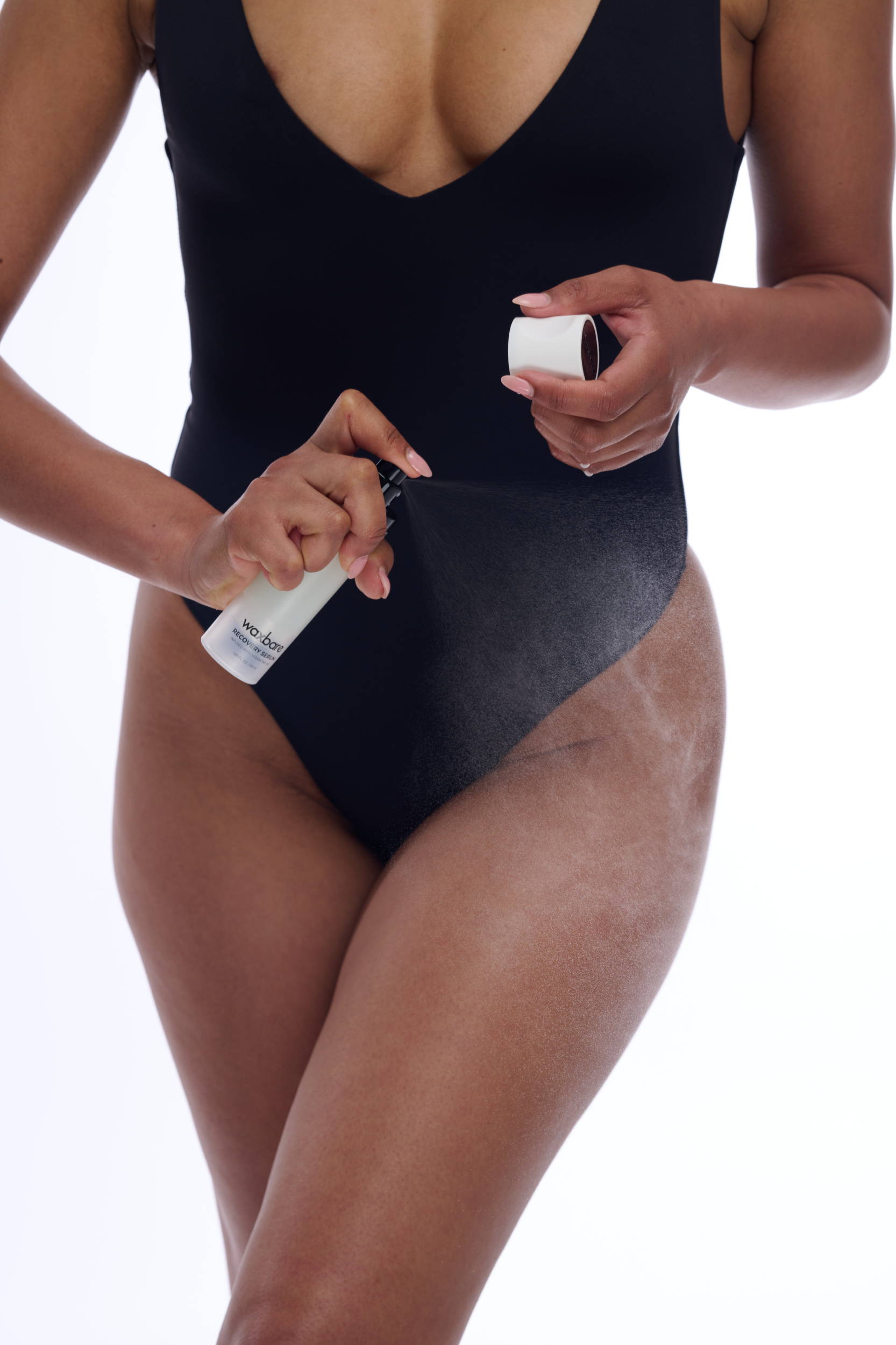
If your skin tends to react, small habits help. Cooling the area, avoiding heat, and sticking to fragrance-free products can reduce irritation and support the skin’s natural healing process. Using simple post-wax care designed for sensitive skin, like the formulas used at WAXBARE, can also help calm redness and protect the skin barrier.
Smooth results shouldn’t come with stress. When skin health is part of the waxing process from start to finish, hair removal feels more comfortable and predictable.

Histamine Reaction After Waxing FAQs
What Is A Histamine Reaction After Waxing And What Does It Look Like?
How Long Does A Histamine Reaction After Waxing Last?
Most histamine reactions begin within minutes to a few hours and calm down within several hours. In more reactive areas like the chest, back, or upper arms, symptoms can last 24–48 hours. If symptoms worsen after the first day or you notice wheezing, widespread swelling, or dizziness, seek medical advice to rule out allergic reactions.
How Can I Calm A Histamine Reaction After Waxing Quickly?
Keep things cool and gentle. Use a cold compress for 5–10 minutes on and off, apply a thin layer of aloe vera, and consider low-strength hydrocortisone for short-term itch relief. Avoid heat, hot showers, tight clothing, workouts, and sun exposure for 24 hours, and stick with fragrance-free products.
Should I Take An Antihistamine Before Waxing To Prevent Hives?
Some people with sensitive skin take a non-drowsy over the counter antihistamine 30–60 minutes before waxing, which may help reduce itch or hives. Results vary, so always follow the label and check with a healthcare provider if you take other medications or have health conditions. Avoid drowsy formulas if you need to drive or stay alert.
When Should I Worry That Post-Wax Hives Are An Allergic Reaction?
Get urgent medical help if you notice facial or throat swelling, trouble breathing, dizziness, or hives spreading beyond the waxed area. You should also consult a professional if symptoms worsen after 24–48 hours, or if you see pus, spreading warmth, or signs of infection. When in doubt, it’s better to pause and get guidance than risk further irritation.


0 comments