
Types Of Wax For Hair Removal: Choose The Right Formula For Your Skin And Area
- How Waxes Differ: Base Chemistry, Format, and Temperature
- Soft (Strip) Wax: Uses, Pros And Cons
- Hard (No-Strip) Wax: Uses, Pros And Cons
- Sugar Wax And Sugaring Paste
- Specialty Formulas And Additives
- How To Choose: Match Wax To Skin, Hair, And Body Area
- Make The Right Wax Choice With Confidence
- Types of Wax FAQs
Wax types aren’t one-size-fits-all. If you’ve ever noticed that one wax feels gentle while another grips hard, it usually comes down to how the formula works, how warm it is, and how it holds onto hair.
WAXBARE works with these differences every day. We primarily use hard wax because it’s better suited for sensitive areas and different hair types, but soft wax, sugar wax, and other waxes still play a role depending on the body area and preference.
Below is a clear breakdown of the main types of wax for hair removal. You’ll see how each wax works, what it’s best for, and how to choose the right option for your skin and the area you’re treating.
How Waxes Differ: Base Chemistry, Format, and Temperature
Small changes in a wax formula can change your whole waxing session. Three things matter most: what the wax is made of, whether it uses strips, and how warm it needs to be.
Resin-Based Vs Sugar-Based
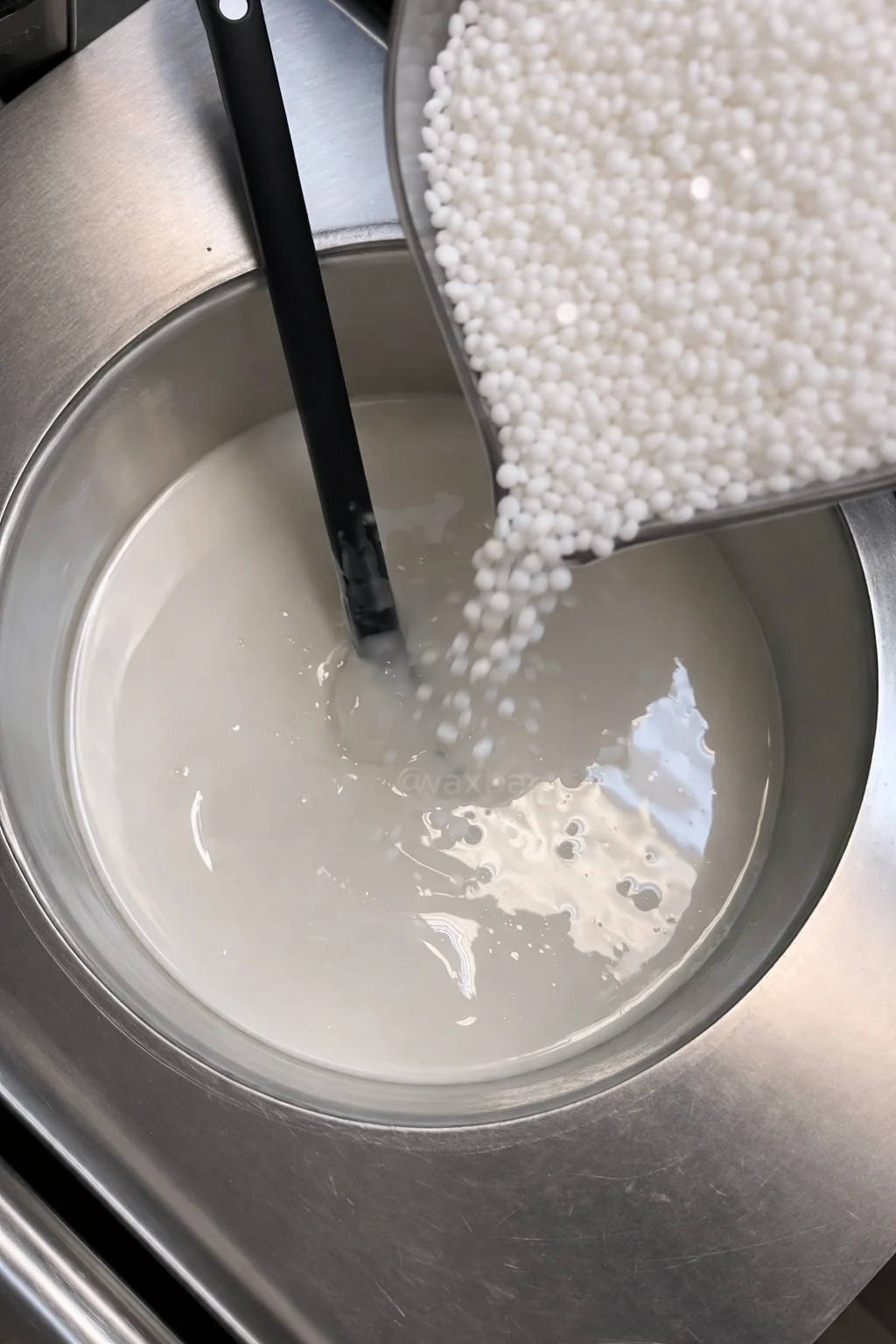
Resin-based waxes describe how the wax grips hair, using resins and polymers to form the adhesive structure. Many soft and hard wax formulas fall into this group, which is why they’re known for strong grip and the ability to remove very short, coarse hair.
Rosin-free refers specifically to the absence of pine rosin derivatives. Some resin-based formulas contain Glyceryl Rosinate (a rosin derivative), while others are rosin-free or rely on modern polymers instead. This distinction can affect skin sensitivity and irritation, especially when looking at common wax ingredients and how they affect skin.
Sugar-based products use sugar, water, and lemon juice (or citric acid) as natural ingredients. They’re water soluble and rinse off easily with plain water. Sugar pastes can be more forgiving on sensitive skin but depend heavily on technique. They often work best when hair growth is about rice-grain length or longer.
Soft (Strip) Vs Hard (No-Strip)
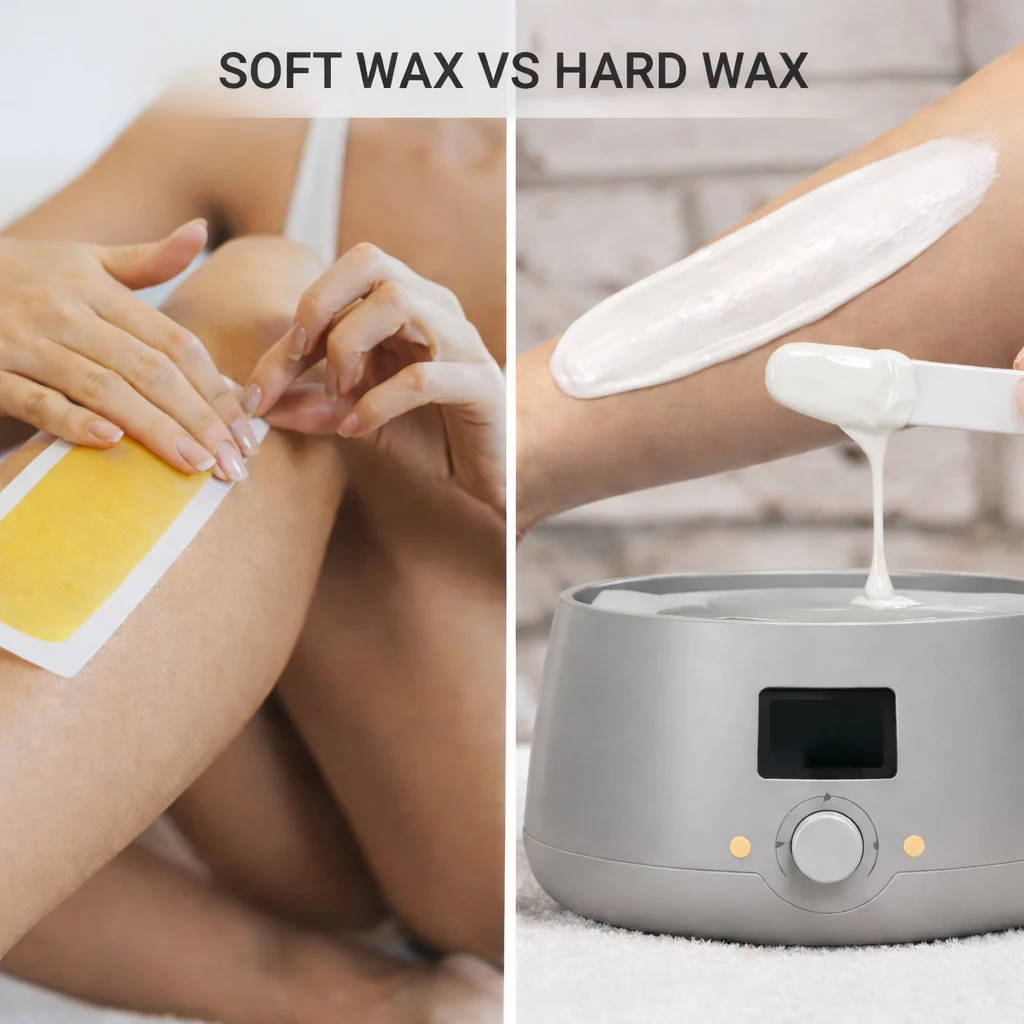
Soft wax, also called strip wax, goes on in a thin layer and is removed with cloth or paper strips. It tends to pull some top skin along with hair, which can leave skin extra smooth but may feel more intense.
Hard wax (no-strip) sets on the skin and is removed by lifting the edge of the wax itself. It shrinks around the hair rather than sticking to live skin, which many people find more comfortable, especially on sensitive areas.
Cold Strips, Warm Soft, Hot Hard
- Cold wax strips are pre-loaded sheets. They’re handy for small touch-ups like the upper lip but may not grab short hair well.
- Warm soft wax is heated until it spreads easily in a thin layer. It’s quick for large areas like legs and arms.
- Hot hard wax is heated to a safe melting point, applied thicker, and allowed to set before removal. Heat helps pores relax, which can mean less tug on skin in sensitive areas.
Soft (Strip) Wax: Uses, Pros And Cons
Pros:
- Covers big areas quickly (legs, arms, back)
- Grabs fine hair well with a thin layer
- Cost-effective for high-volume body waxing
- Many formulas, including soybean oil–based wax, fruit wax, and chocolate wax
CONS:
- Can lift more top skin and feel more intense on sensitive skin
- Not ideal for multiple passes on the same area
- Residue needs an oil-based remover since it’s not water-soluble
- Heat plus strip pressure may cause redness on delicate areas
Best Areas And Technique Notes
Best areas: legs, arms, back, and chest. For bikini waxing, many clients and professionals use soft wax on the outer line, then switch to hard wax in the bikini area for a classic bikini wax or brazilian wax.
Technique notes: Apply with hair growth and remove in the opposite direction. Keep the layer thin, hold skin taut, and avoid re-waxing the same patch. Use post-wax oil to remove residue and limit sun exposure for 24–48 hours.
Hard (No-Strip) Wax: Uses, Pros And Cons
Hard wax is a favorite for sensitive areas and coarse hair because it grips hair more than live skin. It is used across many body areas, including the face, underarms, and bikini area, where comfort and control matter most.
How it works: the wax is applied slightly thicker than soft wax. As it cools, it tightens around hair, and you lift the edge to remove the wax itself, without cloth strips.
Best Areas and Technique Notes
Best areas: face (brows, upper lip, chin), underarms, bikini line, and Brazilian services. Hard wax is also useful for short regrowth on legs and arms during touch-ups.
Technique notes: Check temperature and consistency, closer to honey or taffy than runny. Apply with hair growth, leave a thicker edge, and remove close to the skin. Small sections work best on delicate areas, and it’s important to avoid overworking the same spot.
Pros:
- Less adhesion to live skin, which many people associate with reduced discomfort
- Works well on coarse, short hair in sensitive areas like underarms and the bikini area
- Allows cleanup passes with less irritation
- Often fewer ingrown hairs when paired with proper prep and aftercare
CONS:
- Slower on very large areas compared to soft wax
- Needs careful temperature control for a smooth pull
- Can break if applied too thin or removed too soon
- Some formulas contain rosin derivatives that may bother very reactive skin
Comfort and skin feel: with the right temperature and thickness, hard wax feels secure on hair and lighter on skin. Many clients describe it as less painful compared to soft wax on the same area, especially when skin sensitivity is a concern.
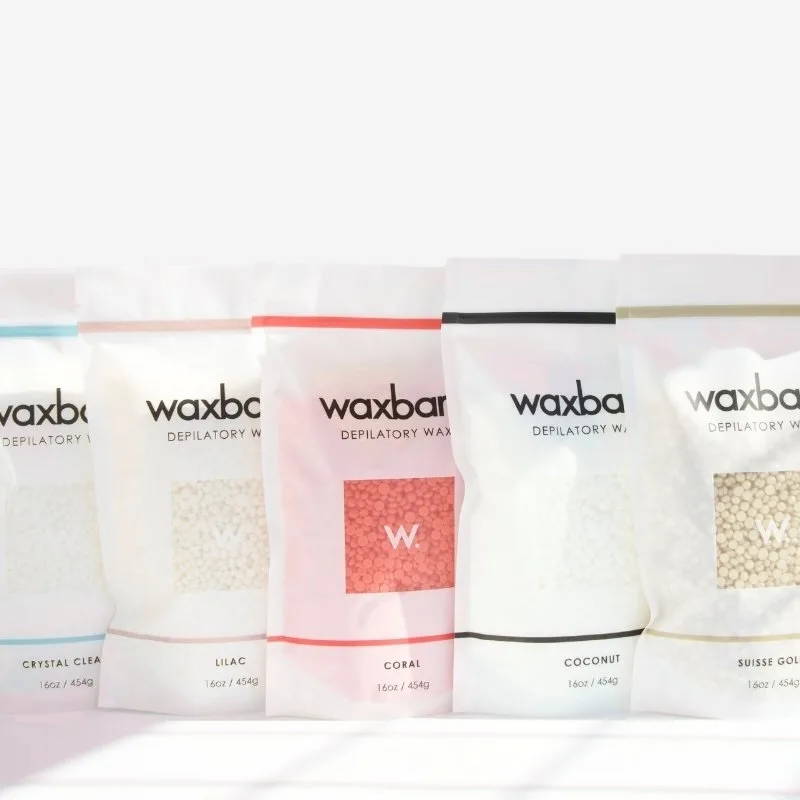
At WAXBARE, approved hard wax options include rosin-free hard waxes like Coconut and Lilac, which are designed for sensitive skin and all hair types, along with hybrid polymer hard wax formulas such as Suisse Gold and Coral, developed for larger body areas and extra grip on coarse growth.
We select wax based on hair type, body area, and skin sensitivity. For example, rosin-free formulas are often chosen for reactive skin, while hybrid polymer waxes provide extra grip for coarse growth.
Sugar Wax And Sugaring Paste
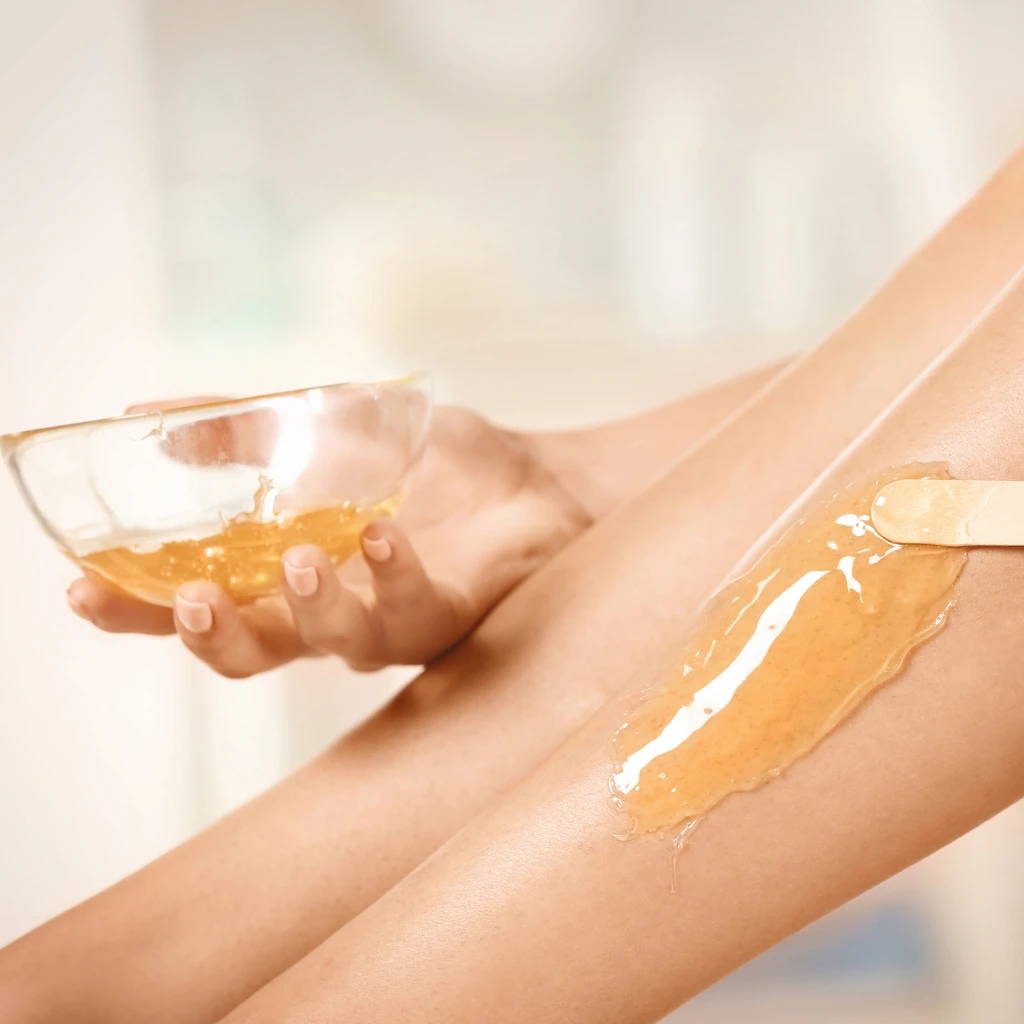
Sugaring uses sugar, water, and lemon juice. It’s a simple natural ingredients list and an eco friendly alternative for many.
There are 2 main forms: warmed sugar gel used with strips, and a thicker paste applied by hand.
How it works:
Sugar paste is applied against hair growth and removed with the growth, the opposite direction used in most waxing methods. Because it’s water soluble, cleanup is easy with water. It tends to grab hair and dead skin rather than live skin, which can mean minimal irritation for some people.
Pros:
- Water soluble, so no oils are needed to remove residue
- Often gentle on sensitive skin, with less redness reported
- Can be less heat dependent when using room-temperature paste
- Appeals to those who prefer natural ingredients
Cons:
- Technique takes practice, since the flick must be quick and clean
- Paste can soften in warm rooms or sweaty areas
- Not always effective on very short hair growth
- Larger body areas may take longer to complete by hand
Paste Firmness And Room Climate
Sugaring paste comes in soft, medium, and firm textures. Warm rooms or hot hands usually require a firmer paste so it doesn’t melt too quickly. Cooler rooms work better with softer paste, especially for at home waxing, where adjusting to the space matters as much as hair types.
Specialty Formulas And Additives
Beyond the big three, there are other wax types you’ll see in many waxing salons and kits. These formulas usually adjust grip, melting point, or skin comfort rather than changing the overall waxing process. Common examples:
- Cold wax strips for quick touch-ups on small areas
- Fruit wax and chocolate wax that include fragrance or soothing oils
- Low-melt hard waxes designed for less heat exposure
- Strip wax gels made for very thin application on fine hair
Hypoallergenic And Rosin-Free Options
“Hypoallergenic” usually means a formula that avoids common triggers like fragrance or certain resins. Rosin-free hard waxes skip pine rosin and often rely on modern polymers, which can help people who react to Glyceryl Rosinate. Waxbare Crystal Clear hard wax is one example of a rosin-free, hypoallergenic option used for sensitive skin.
These formulation shifts reflect how wax types continue to evolve, especially with modern high-performance wax technology that focuses on flexibility, controlled grip, and reduced heat exposure rather than added ingredients.
Additives That Help Vs Pure Marketing
Helpful:
- Soothing oils such as azulene or oat to calm skin after removing hair
- Flexible polymers that reduce breakage on short hair
- Low-melt technology that limits heat on sensitive areas
- Dessert scents or bright colors that don’t change waxing results
- “Vitamin-packed” claims that rinse off after the waxing session
How To Choose: Match Wax To Skin, Hair, And Body Area
Pick the wax based on skin sensitivity, hair type, and the body area, not hype. A few simple guidelines help support long lasting results with less redness during the waxing process.
General notes:
- Fine hair on large zones: soft wax or strip-style products move fast with a thin layer
- Coarse or curly hair in sensitive areas: hard wax or sugar paste is often kinder
- Reactive skin: rosin-free hard wax or sugar can help, with minimal passes on the same area
- Very short regrowth: resin-based hard wax or soft wax grips better, while sugar usually needs more length
Face, Underarms, Bikini
- Face: For the upper lip and brows, hard wax or sugar paste is gentle and precise. Soft wax can work but may feel painful compared on delicate areas, so small strips and taut skin matter.
- Underarms: Hair grows in different directions and can be coarse. Hard wax works well here because it grips short hair without sticking hard to skin, while sugaring can work with proper technique.
- Bikini area and Brazilian wax: Hard wax is commonly used in waxing salons because it handles coarse hair with reduced discomfort. Some professionals use soft wax along the outer bikini line, then switch inward for a classic bikini wax or Brazilian service, as explained in what to expect during a Brazilian wax.
Legs, Arms, Torso
- Legs and arms: Soft wax is fast for body waxing and works well on fine hair. Sugar gel with strips can also be used, depending on skin sensitivity and comfort level.
- Chest, back, torso: For large body areas with mixed hair growth, soft wax or strip gel is efficient. If ingrown hairs are common, alternating wax types on problem spots and adjusting aftercare can improve waxing results.
Make The Right Wax Choice With Confidence
Soft wax works best for large areas and fine hair, hard wax grips short and coarse hair with less discomfort on sensitive skin, and sugar wax offers a water-rinse option that many find gentle. At WAXBARE, we primarily use hard wax, including rosin-free and hybrid polymer formulas, because it delivers consistent waxing results across the face, underarms, and bikini area.
For at home waxing, start with your skin type and the body area rather than the label. We also offer waxing kits designed for home use, making it easier to get smooth, hair free skin with better control and less irritation.
For professionals, we supply wholesale hard wax for regular salon services, selected for comfort, efficiency, and reliable performance across many clients.
Types of Wax FAQs
What are the main types of wax for hair removal and how do they differ?
The main wax types include resin-based soft wax (strip), resin-based hard wax (no-strip), and sugar wax or paste. They differ by chemistry, whether strips are used, and temperature, including cold wax strips, warm soft wax, and hot hard wax. Each option offers different grip, comfort, and suitability depending on skin type, hair growth, and body areas.
Soft wax vs hard wax: which is better for each body area?
Soft wax works well on large zones with fine hair, such as legs, arms, back, and chest, because it spreads in a thin layer and moves quickly. Hard wax is better suited for sensitive or coarse-hair areas like the face, underarms, bikini line, and Brazilian waxing, since it grips hair more than skin and allows cleanup passes with less irritation.
What does “rosin-free” mean in hard wax, and who should choose it?
Rosin-free hard wax avoids pine rosin derivatives like Glyceryl Rosinate and relies on modern polymers instead. This can be helpful for reactive or allergy-prone skin that flares with traditional resins. Those with skin sensitivity often start with rosin-free formulas, while hybrid polymer options may offer better grip for coarse hair.
How long should hair be for waxing or sugaring?
Aim for about 1/8–1/4 inch of hair growth. Resin-based soft wax and hard wax can remove short stubble closer to 1/8 inch, while sugar wax usually works best at around 1/4 inch. Hair that’s too long can be trimmed to reduce tugging, while hair that’s too short may lead to missed areas or extra passes.
Which types of wax are best for sensitive skin or beginners at home?
Hard wax or sugar paste is usually gentler for sensitive skin because they grip hair more than live skin. Beginners doing at home waxing often find low-melt hard wax easier to control on small areas like the face, underarms, and bikini area. Using pre- and post-wax care products that support skin recovery can also help calm skin, reduce redness, and lower the chance of irritation, especially when waxing delicate areas.


0 comments